The system is only as good as the written record.
Sparse, delayed, or uneven notes create blind spots. A polished answer can still be based on incomplete source material.
Proof of concept for evidence-based talent retrieval
Limitations + Next
The right next step is not hype. It is clearer coverage, broader evidence, better governance, and workflow support that helps managers work faster without pretending the system knows more than it does.
Limitations
Sparse, delayed, or uneven notes create blind spots. A polished answer can still be based on incomplete source material.
Reviews, 1:1s, and recognition are valuable, but they do not directly represent code quality, delivery throughput, hiring history, availability, or compensation context.
Annual reviews are often authored in a different org structure than today’s reporting chain, so historical manager context has to stay explicit.
The platform can organize evidence and expose patterns, but it should not be treated as an automatic evaluator of employee value, potential, or future performance.
Pressure test
Important boundary
The system can shorten synthesis time and improve recall. It should not be treated as a neutral, complete, or self-justifying view of employee performance.
What’s next
Materialize reporting edges instead of relying partly on inferred current-manager relationships from the latest available evidence.
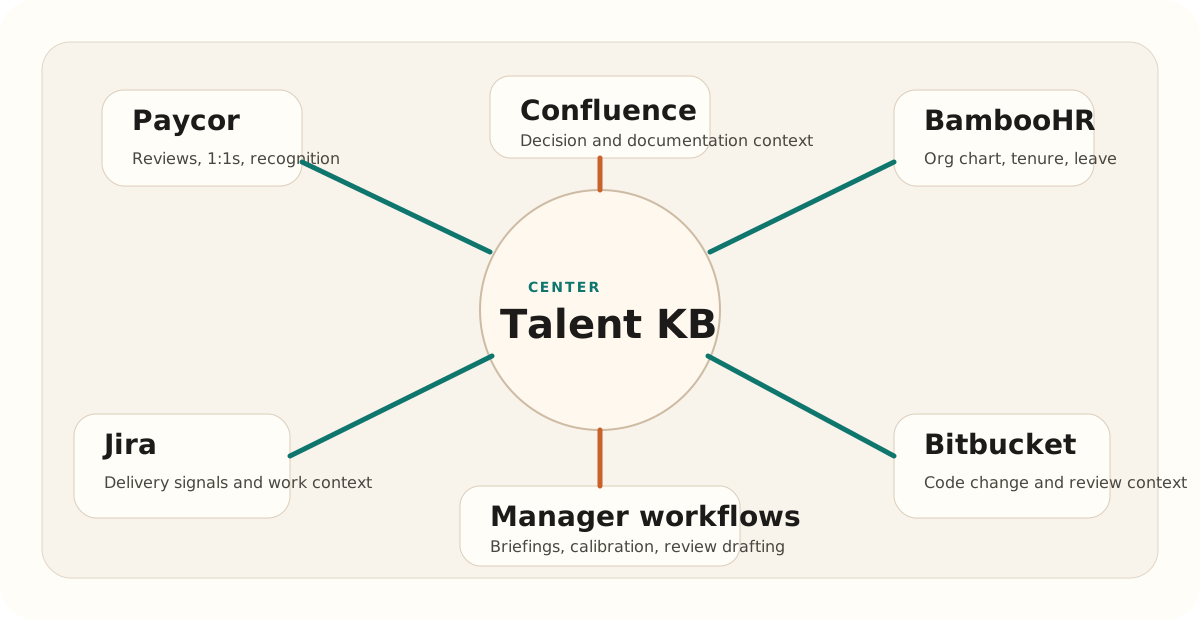
Add full-company Paycor data where authorized, then layer in systems like BambooHR, Jira, Confluence, and Bitbucket for a more evidence-complete view.
Move from retrieval alone into manager workflow support such as briefing packs, calibration prep, and review-draft scaffolding.
Define audience-specific views, access boundaries, retention rules, and acceptable-use policies before any broader deployment.
If the scope expands
Managers could start from a draft synthesized from their own notes, recognitions, and prior review content rather than writing from memory.
Managers and individual contributors could add structured context, corrections, and missing evidence instead of relying only on imported system history.
Joining HR, delivery, documentation, and code-system evidence would create a more complete picture of role load, outcomes, and support needs.
A focused frontend could support team briefings, calibration packets, review prep, and evidence review with clear auditability.